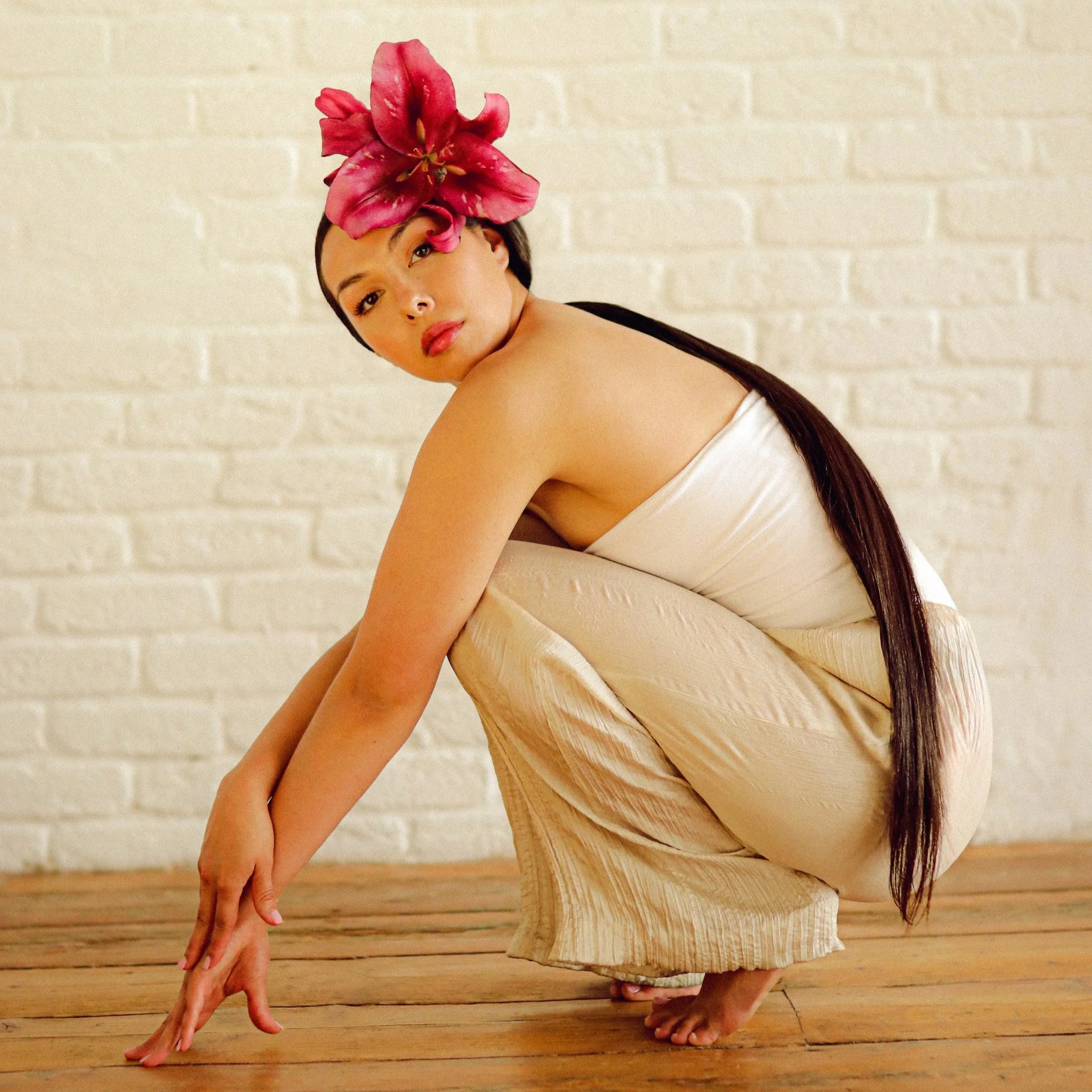
Soft Spaces: When the Body Finds Ease in Photography
What Happens in the Body During a Supportive Portrait Session.
For many people, being photographed isn’t always a neutral experience.
Even before the camera appears, the body often knows something is coming. The shoulders lift. Breathing becomes shallow. The jaw tightens. There’s a subtle bracing — a readiness to perform, protect, or get it over with.
This isn’t vanity or self‑consciousness. It’s physiology.
When we are seen, especially through a lens, the nervous system can interpret that attention as exposure. For some bodies, that attention feels unsafe — not because the photographer is unsafe, but because past experiences of being watched, judged, or evaluated have taught the body to prepare.
A gentle portrait session works with this reality rather than against it.
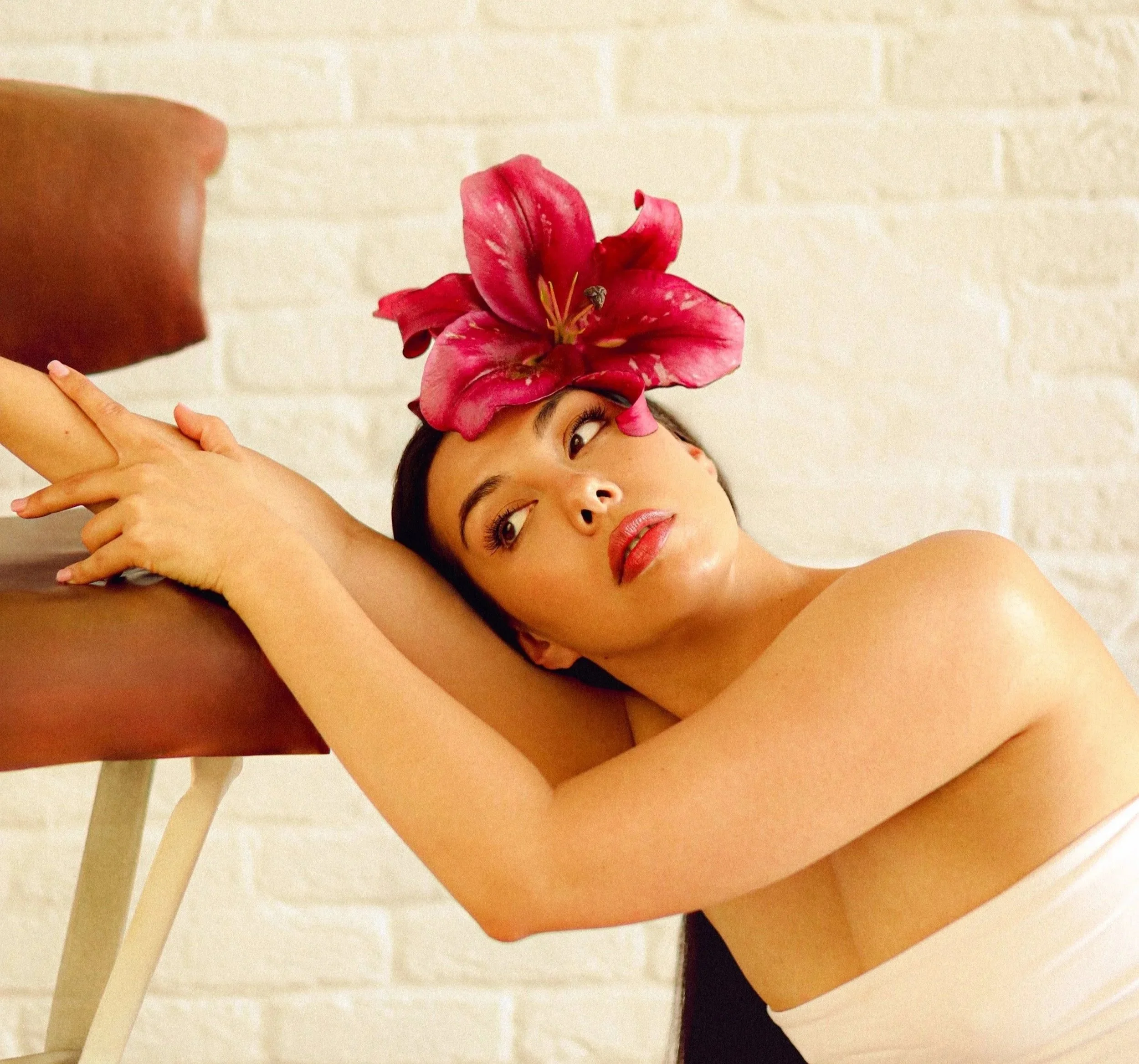
The Nervous System Comes First.
Before expression, before posture, before any image is made — there is the nervous system.
Psychological research shows that our capacity to relax, connect, and be present depends on whether the body perceives safety. When the nervous system feels regulated, the face softens. The eyes engage naturally. Movement becomes less guarded.
Much of this understanding comes from foundational work in neuroscience and psychology, including Stephen Porges’ research into how the nervous system responds to cues of safety and threat. While the language of these theories can be technical, the lived reality is simple: when the body feels safe, it no longer needs to brace.
When it doesn’t, no amount of posing advice can create ease.
In a supportive portrait session, the process isn’t rushed. There is no demand to arrive confident or expressive. Time, tone of voice, pacing, and silence all matter. These elements quietly communicate to the body:
“You are not being evaluated.
You are not required to perform.
You can stay exactly as you are.”
When this message is consistent, the nervous system begins to settle.
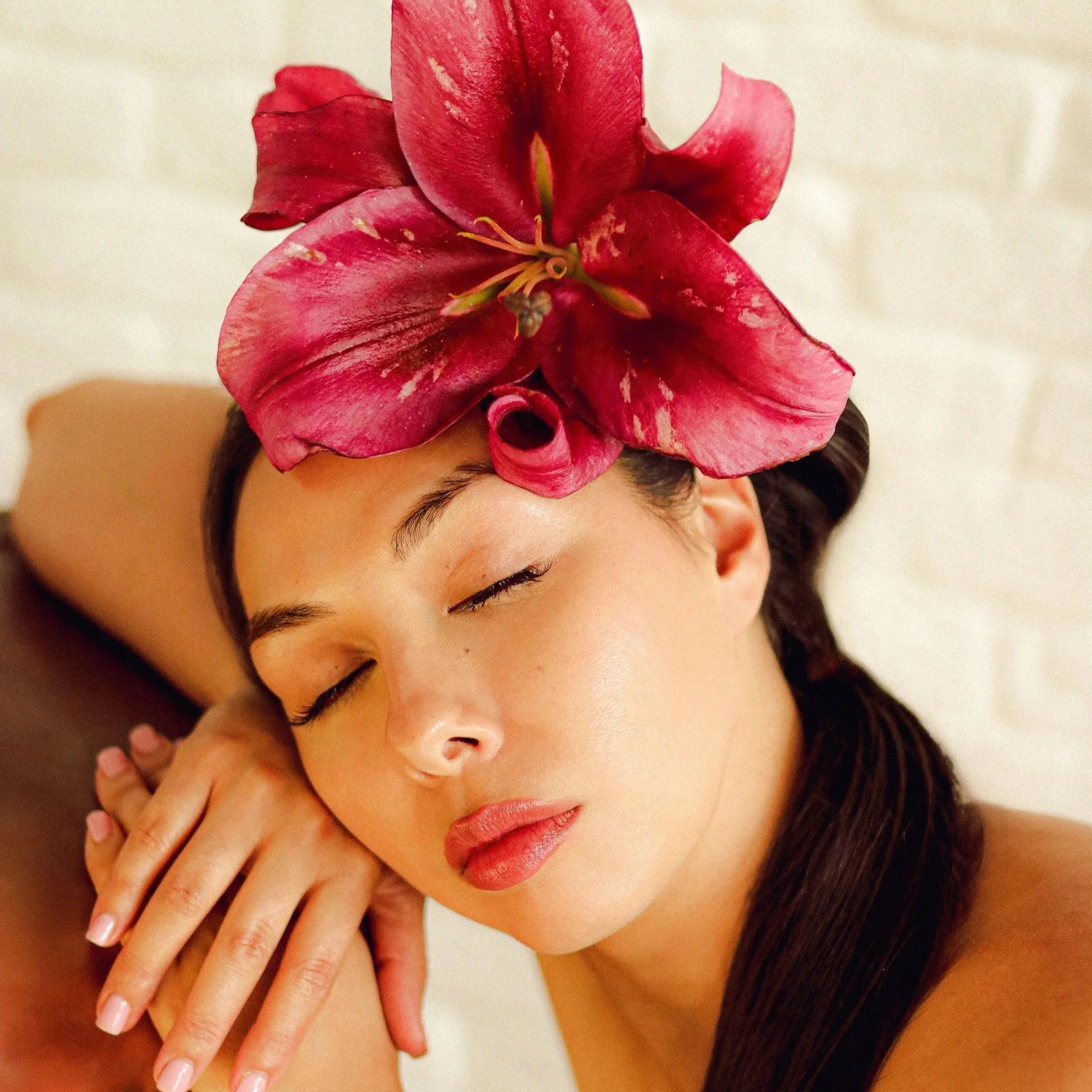
Slowing Down Changes How the Body Responds
Conventional photography often works quickly — adjusting, directing, correcting. While efficient, speed can keep the body in a heightened state of alertness.
Slowness does something different.
When movement is unhurried and instruction is minimal, the body has space to notice itself. Breathing deepens without being coached. Muscles release gradually. There is time for micro‑adjustments that aren’t conscious choices — a weight shift, a softened gaze, a moment of stillness.
These changes don’t come from being told what to do. They come from being allowed to arrive.
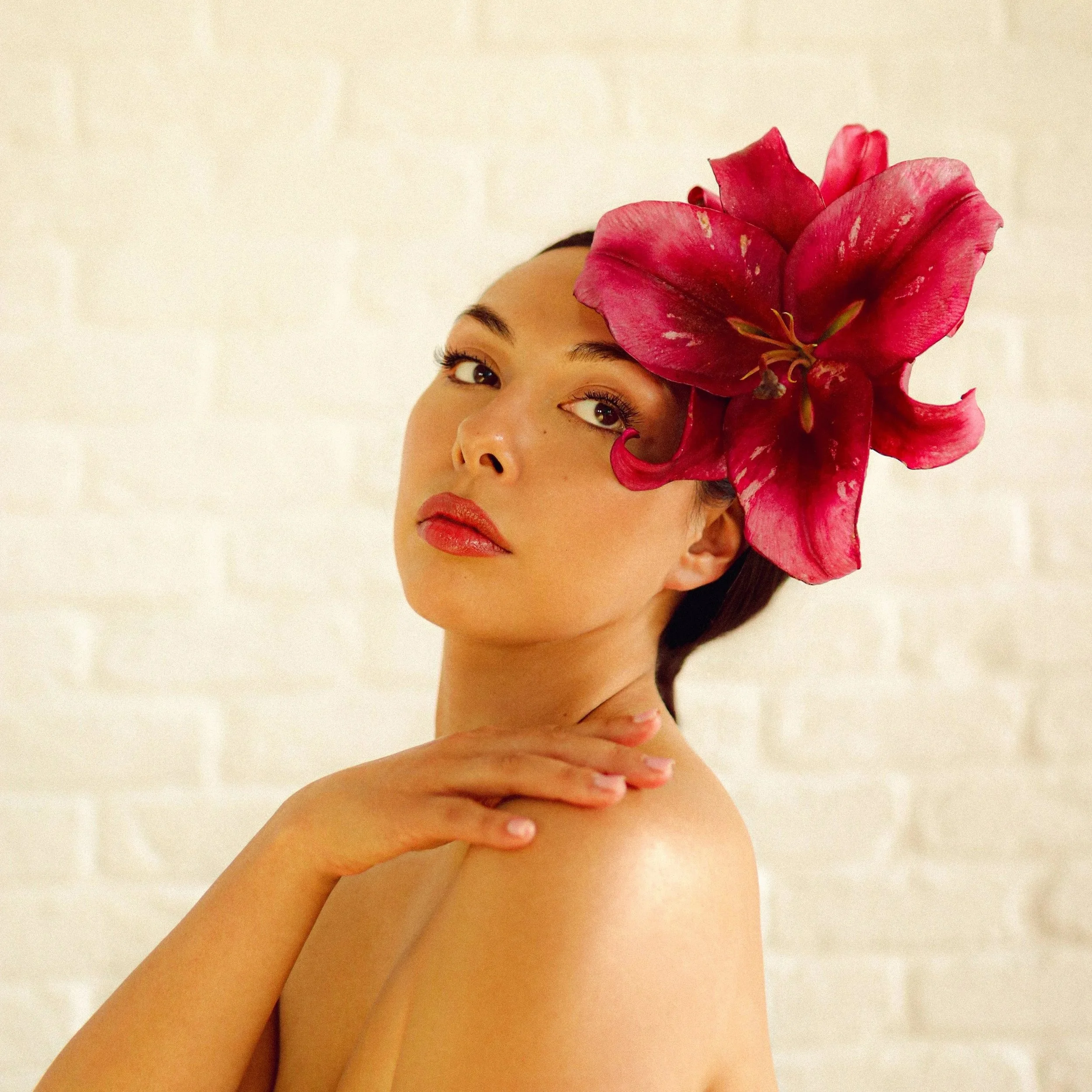
Being Seen Without Being Scrutinised
There is an important difference between being seen and being scrutinised.
Scrutiny narrows the body. It pulls attention outward — How do I look? Am I doing this right? Presence does the opposite. It brings attention inward, allowing the body to organise itself naturally.
This distinction has long been explored in psychology. The psychoanalyst D.W. Winnicott wrote about the importance of being met without intrusion — of feeling held by attention rather than shaped by it. When attention feels attuned instead of corrective, the body does not need to armour itself.
In a session rooted in presence, the photographer’s role is not to extract an image but to witness what’s already there. This kind of attention is spacious rather than directive. It doesn’t correct the body — it listens to it.
Research into attachment and interpersonal safety, including the work of developmental psychologist Allan Schore, suggests that attuned, non‑judgemental presence helps regulate emotional and physiological responses. When someone feels met rather than managed, the nervous system can settle.
This is often when clients say things like:
“I forgot the camera was there.”
Not because it disappeared — but because the body no longer needed to defend against it.
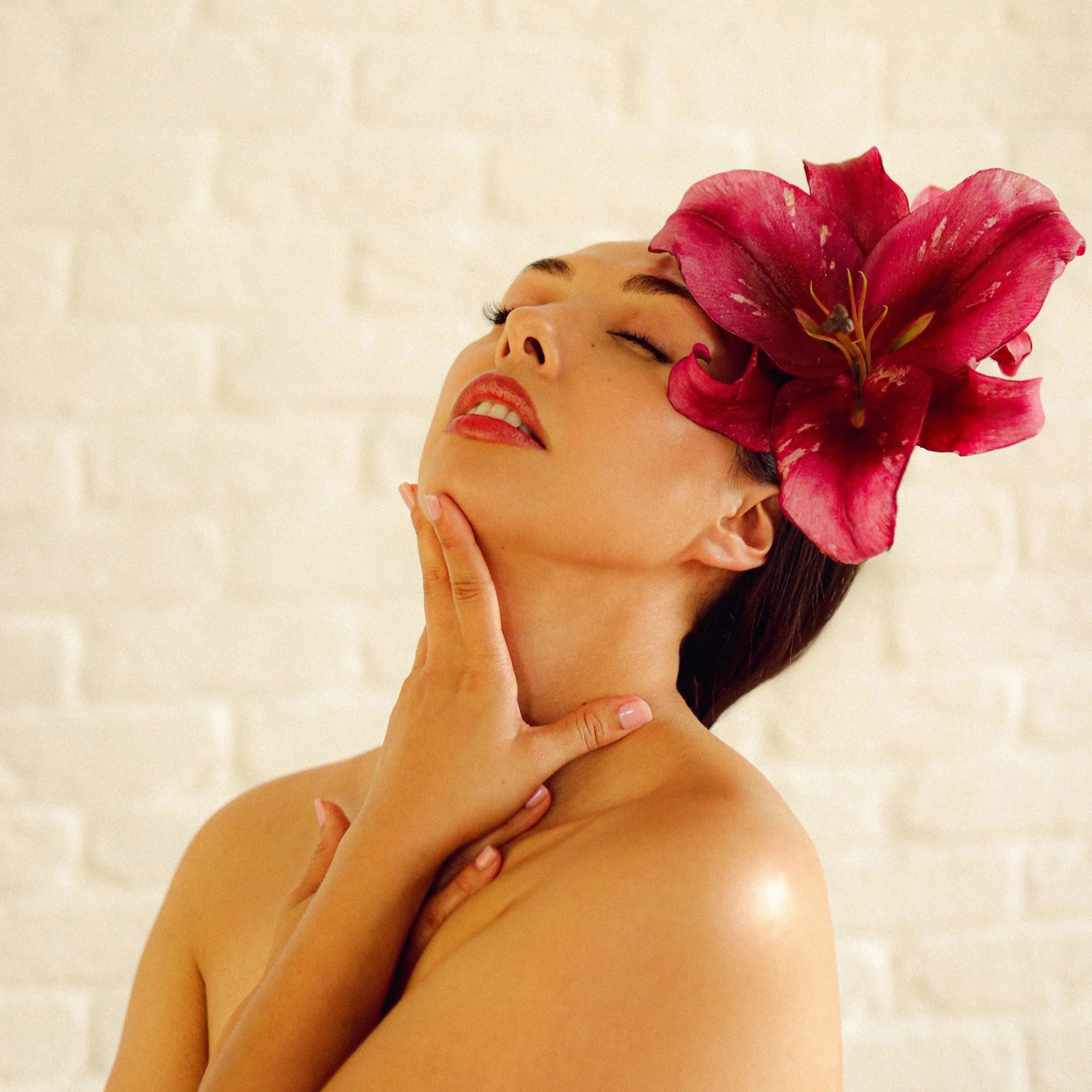
Photography as a Somatic Experience
Somatic simply means “of the body“.
In this sense, a portrait session isn’t just visual — it’s physical. The body remembers what it felt like to be in that space. The images that result carry traces of that experience: softness, steadiness, openness.
Researchers such as Bessel van der Kolk have written about how experiences are held not only in memory, but in the body itself. When a moment is lived without force or self‑monitoring, the body records it differently — and that difference can be felt long after.
This is why people sometimes recognise themselves more fully in these photographs. Not because the image is flattering, but because it reflects a moment when the body felt unforced.
Nothing was being held up.
Nothing was being hidden.
The photograph becomes less about how someone looks, and more about how they were allowed to exist.
A Personal Note
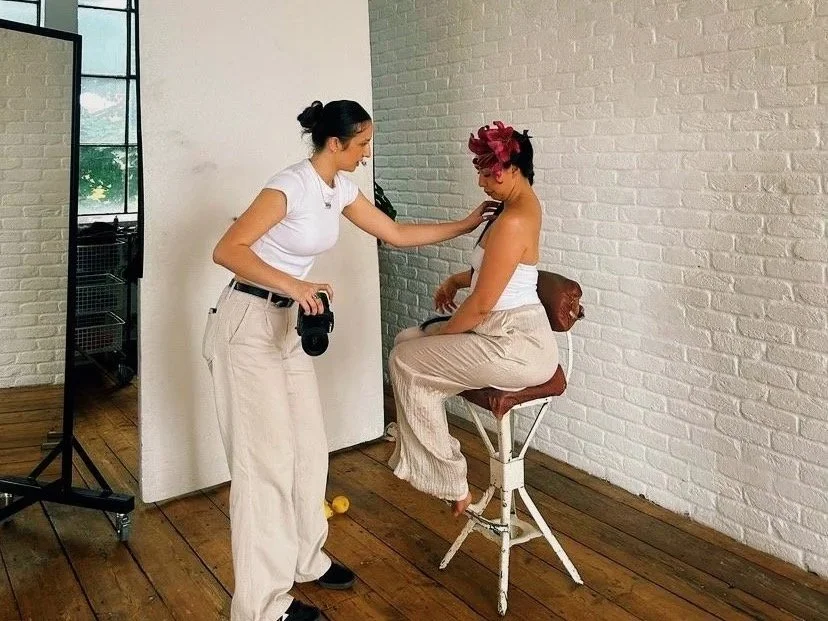
I didn’t come to this way of working by accident.
I grew up in a critical environment, and for a long time I never felt entirely comfortable in my body.
I learned early to monitor myself closely — to try to get things right, to avoid being noticed in the wrong way, to perform ease rather than feel it. That kind of vigilance leaves its mark on the nervous system, even years later.
It was through studying psychology, and later through working with people in front of the camera, that I began to recognise something quietly important:
“The conditions I was trying to create for others were the conditions my own body had always been looking for.”
Wanting people to feel at ease, unjudged, and unforced wasn’t just a professional value — it was personal. Over time, I realised that I couldn’t offer this kind of presence unless I learned to embody it myself. That meant slowing down, softening my own expectations, and paying attention to what helped bodies settle — including mine.
On set, this shows up in small, human ways. A gentle tone. Genuine encouragement, warmth and reassurance. These aren’t techniques as much as signals — ways of letting the body know, it doesn’t have to get anything right.
This work continues to teach me that ease isn’t something we demand from ourselves or others. It’s something that grows when the environment allows it.
So, I'll leave you with this …
If being photographed has ever felt daunting, it may help to know this:
It's not about overriding your nervous system and its responses before or during the shoot.
It's about ensuring that you are supported by an environment that invites ease and a lens that sees through the armour.